

Darion was very professional in the way he
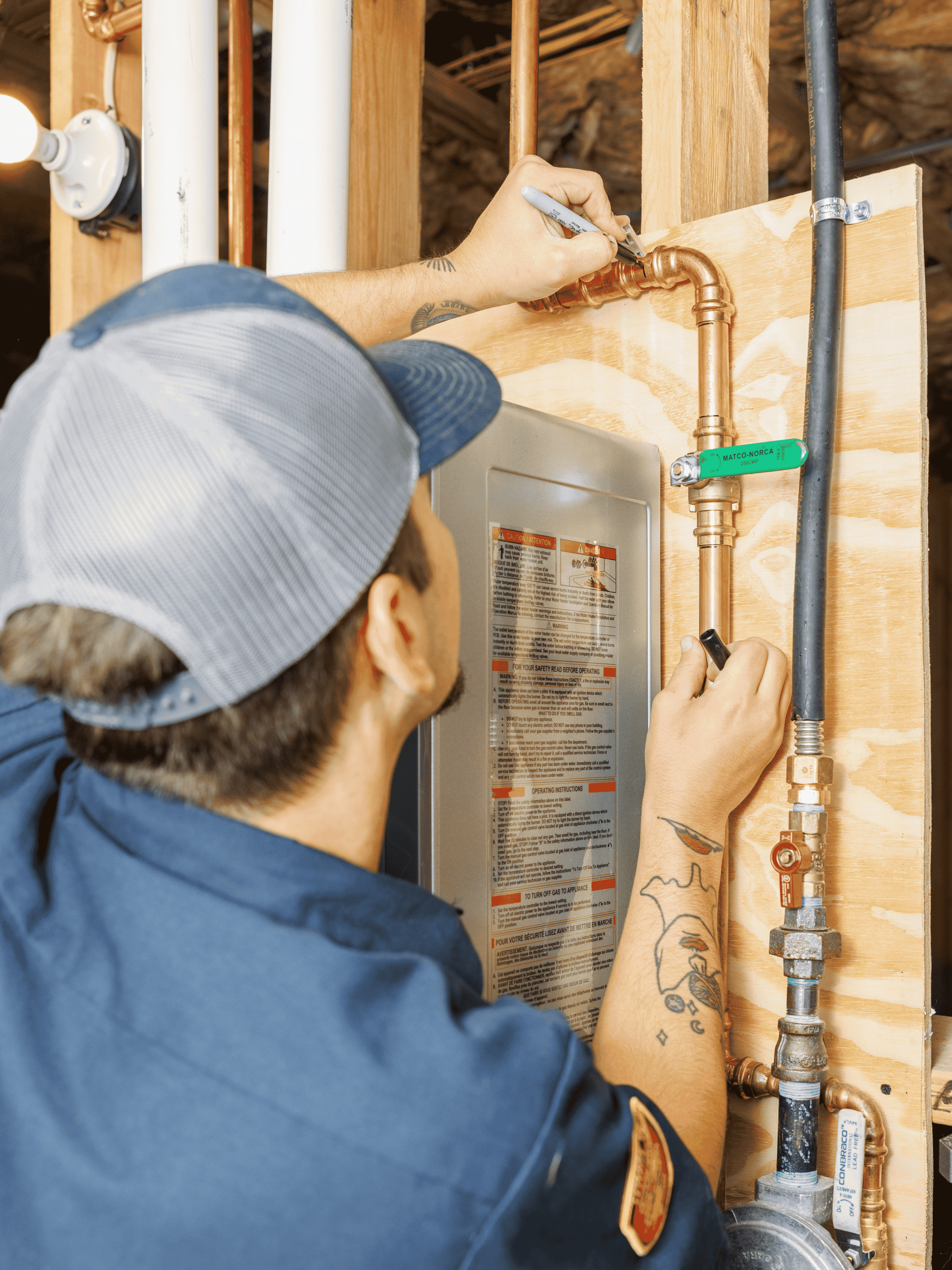
communicated with us concerning the installation of our new hot water heater. He made sure that we understood how the new circulating pump would heat our water to the distant sinks in our house. He did a great job and I would contact him again if I needed any plumbing work done in our
home.

Protect Your Plumbing System With A Pressure Regulator
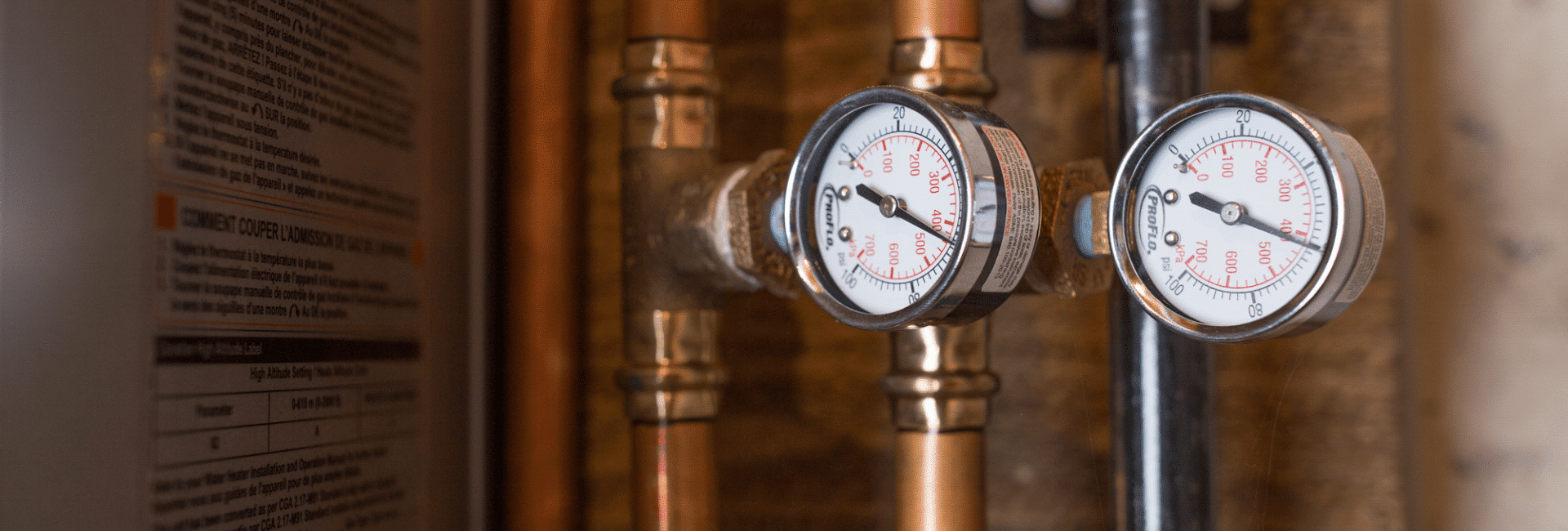
A pressure regulating valve (PRV)—sometimes called a pressure-reducing valve—is a vital component of any household plumbing system. As its name denotes, this crucial device regulates the incoming water pressure from the county or city municipal supply, from a high pounds per square inch (PSI) range down to a safer level for your home’s internal plumbing system and fixtures. High PSI causes toilets, faucets, water heaters, and dishwashers to leak and fail prematurely.
Proper Installation is Crucial
A PRV is so critical that most manufacturers' warranties for plumbing fixtures are not honored if one is not correctly installed and functioning in the home. These valves typically last around 10 years. We check this valve and its proper installation as part of our whole-house professional plumbing inspection and will provide an estimate for any necessary repairs or replacements.
No Job Is Too Big or Too Small
A damaged PRV is nothing to sneeze at. If you suspect your valves are malfunctioning, give the plumbing experts at TE Certified a call. One of our friendly professionals will be there to assist you in no time!
What Our Customers Say
Great service and very professional company! The service is always outstanding!
They are our new plumber!
Joey was awesome from start to finish. Very thorough job and professional.
I am sold on TE plumbing for my family plumbing needs
Pressure Regulators FAQs
Safe water pressure levels should be between 40-80psi. Typically, we would like to see the water pressure at 60-65psi.
A pressure regulator is required by safety standards for all homes or properties supplied by the municipal or county water system. Pressure regulators are often not required on well systems.
Inconsistent water pressure, banging pipes, or water spurting from faucets can all signal a failing regulator. Over time, these issues can damage your plumbing.
Yes, high pressure can lead to wasted water and higher bills, along with increased wear on appliances and fixtures.